 Buscar
 EN
EN English
 Deutsch
 Français
 Español
 italiano
 cn
cn jp
jp kr
krTu nueva montura se resbala cada vez que miras hacia abajo o te deja dos arrugas rojas en la nariz al mediodía. La razón suele ser la misma: si las gafas usan almohadillas para la nariz o dependen de un puente sin almohadillas. Ningún diseño es objetivamente mejor. Las almohadillas nasales son dos piezas separadas que separan el marco del puente nasal, distribuyendo la presión y permitiéndole ajustar la altura, el ángulo y el espacio. Los marcos sin almohadillas tienen un puente moldeado que hace el mismo trabajo sin partes móviles. La forma de su nariz, el peso de las lentes, la sensibilidad de su piel y su rutina diaria deciden cuál funcionará para usted.
Contenido
- 1 ¿Qué hacen realmente las almohadillas nasales?
- 2 Gafas con almohadillas para la nariz: ventajas, desventajas y mejor ajuste
- 3 Anteojos sin almohadillas para la nariz: pros, contras y mejor ajuste
- 4 Comparación lado a lado: ¿cuál debería elegir?
- 5 Cómo decidir: un marco de decisión rápida
- 6 Problemas comunes de ajuste y cómo solucionarlos
- 7 Preguntas frecuentes
¿Qué hacen realmente las almohadillas nasales?
Las almohadillas para la nariz cambian la geometría del ajuste brindándole ajuste vertical y horizontal; sin ellos, la forma del puente debe hacer todo el trabajo.
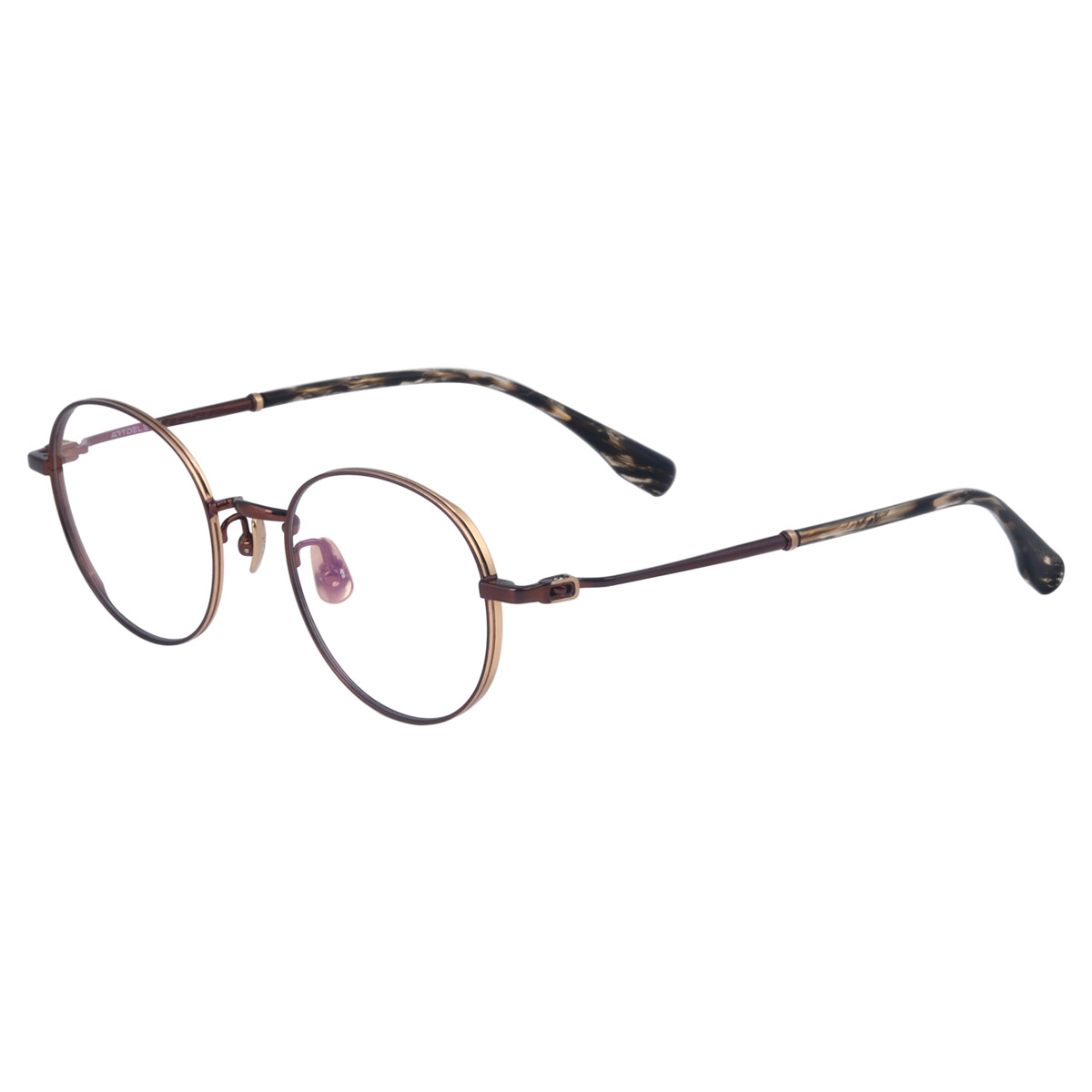
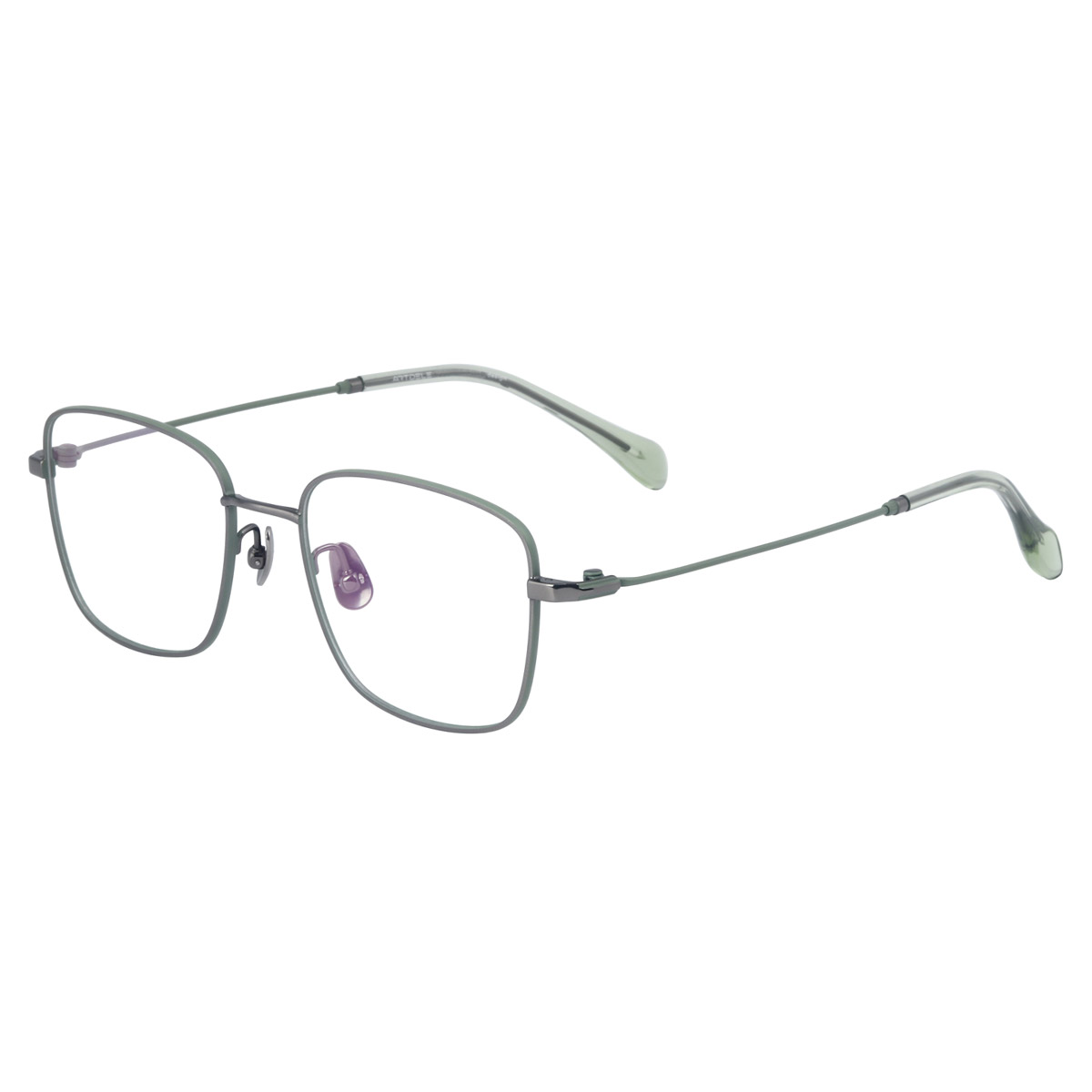
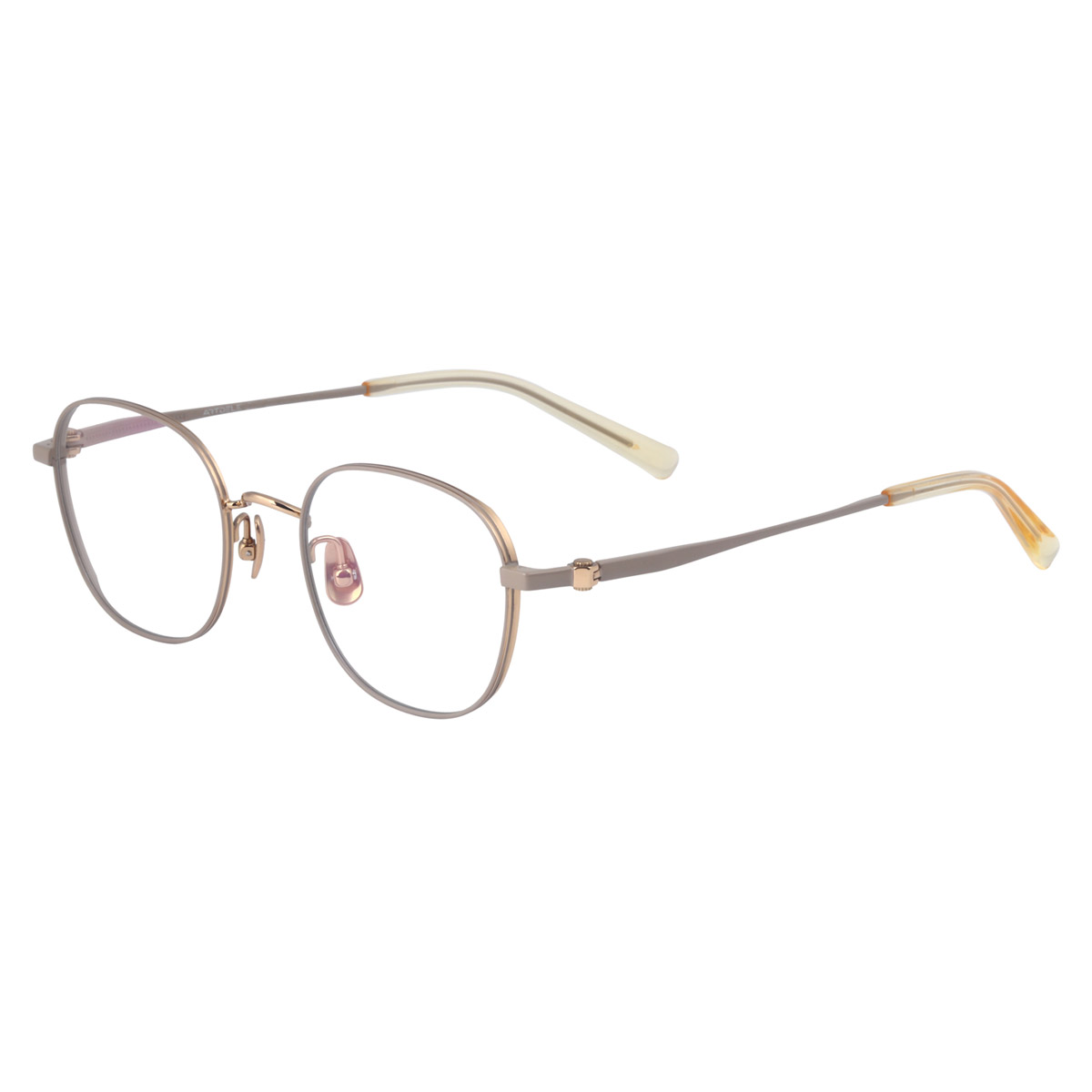
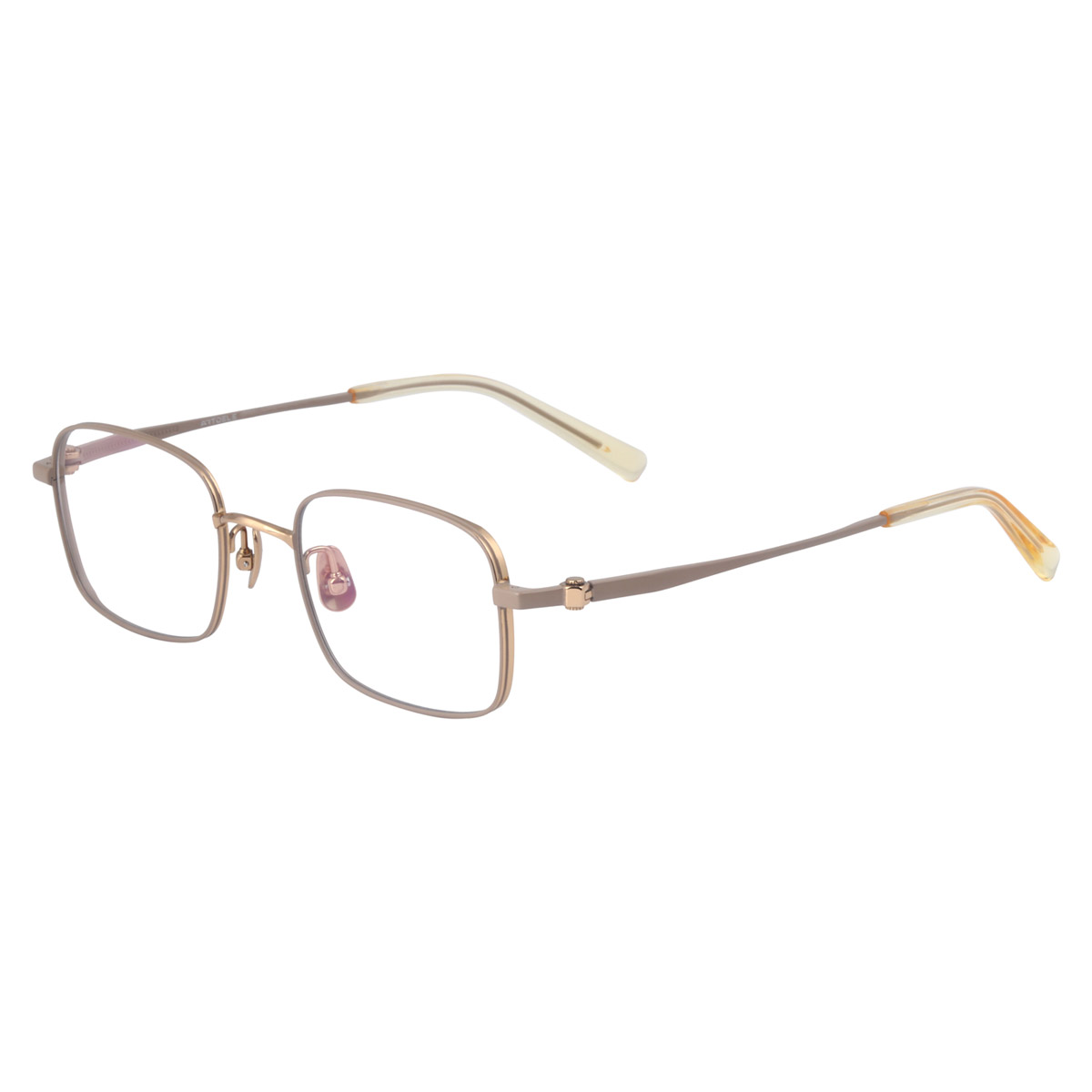
En marcos de metal o de materiales mixtos, las almohadillas se colocan en un pequeño brazo de metal y generalmente se fijan con un tornillo o un soporte a presión. Girar los brazos hacia adentro o hacia afuera cambia el ángulo, mientras que moverlos hacia arriba o hacia abajo cambia la altura de la nariz. Esta es la razón por la que las almohadillas ajustables son comunes en las monturas de titanio, metal y metal-plus-TR: pueden corregir un puente bajo, un puente alto o un puente que no es perfectamente simétrico.
Los marcos sin almohadillas, que a menudo se encuentran en acetato, TR90, Ultem y fibra de carbono, forman el puente en una curva fija. La nariz descansa directamente contra el material del marco. El diseñador del marco establece de antemano el ancho, la altura y la profundidad del puente. El único ajuste proviene de la tensión de las patillas y de cómo se asienta la montura en las orejas.
Gafas con almohadillas para la nariz: ventajas, desventajas y mejor ajuste
Las monturas con almohadillas nasales ajustables son la mejor opción para puentes bajos, rostros asimétricos, graduaciones altas y tareas que requieren mirar hacia abajo durante horas.
Los principales beneficios son simples:
- Ajuste ajustable: puede cambiar la altura, la inclinación y la extensión para que coincidan con la geometría de su propio puente.
- Menos gradualmente: una almohadilla correctamente ajustada crea un contacto estable de tres puntos con la nariz.
- Puntos de contacto reemplazables: Las almohadillas de silicona o policarbonato se pueden cambiar cuando se aplanan o envejecen.
- Mejor para lentes pesados: Las lentes de alto índice o altas dioptrías añaden peso y las almohadillas distribuidas esa carga de manera más efectiva.
Hay compensaciones:
- Las almohadillas nasales pueden dejar marcas de presión en la piel sensible.
- El conjunto de brazo y almohadilla necesita limpieza y reemplazo ocasionalmente.
- Los brazos metálicos pueden provocar irritación local de la piel o reacciones alérgicas en algunos usuarios.
- Las almohadillas no son ideales si pasas mucho tiempo mirando hacia abajo, ya que pueden clavarse en la nariz.
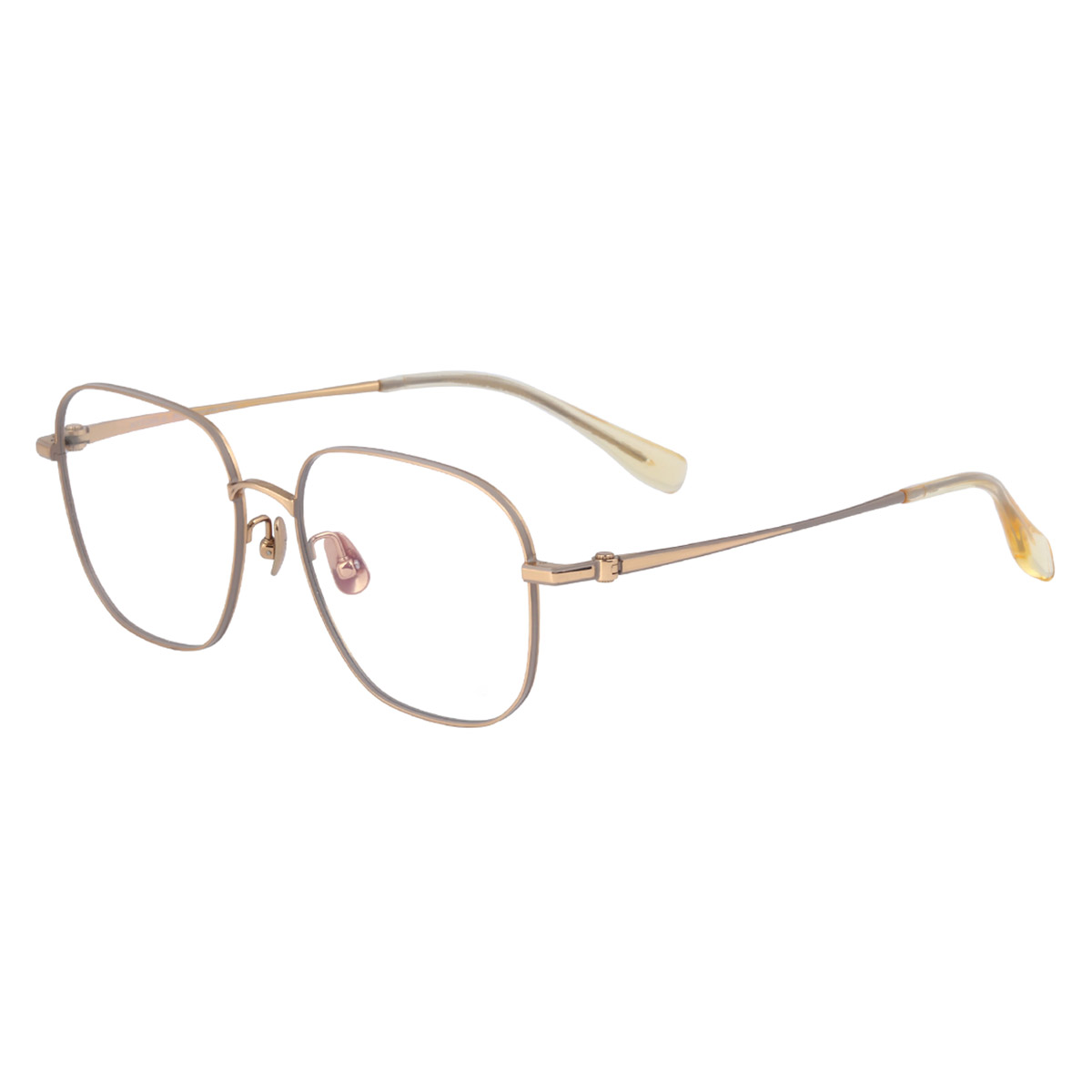
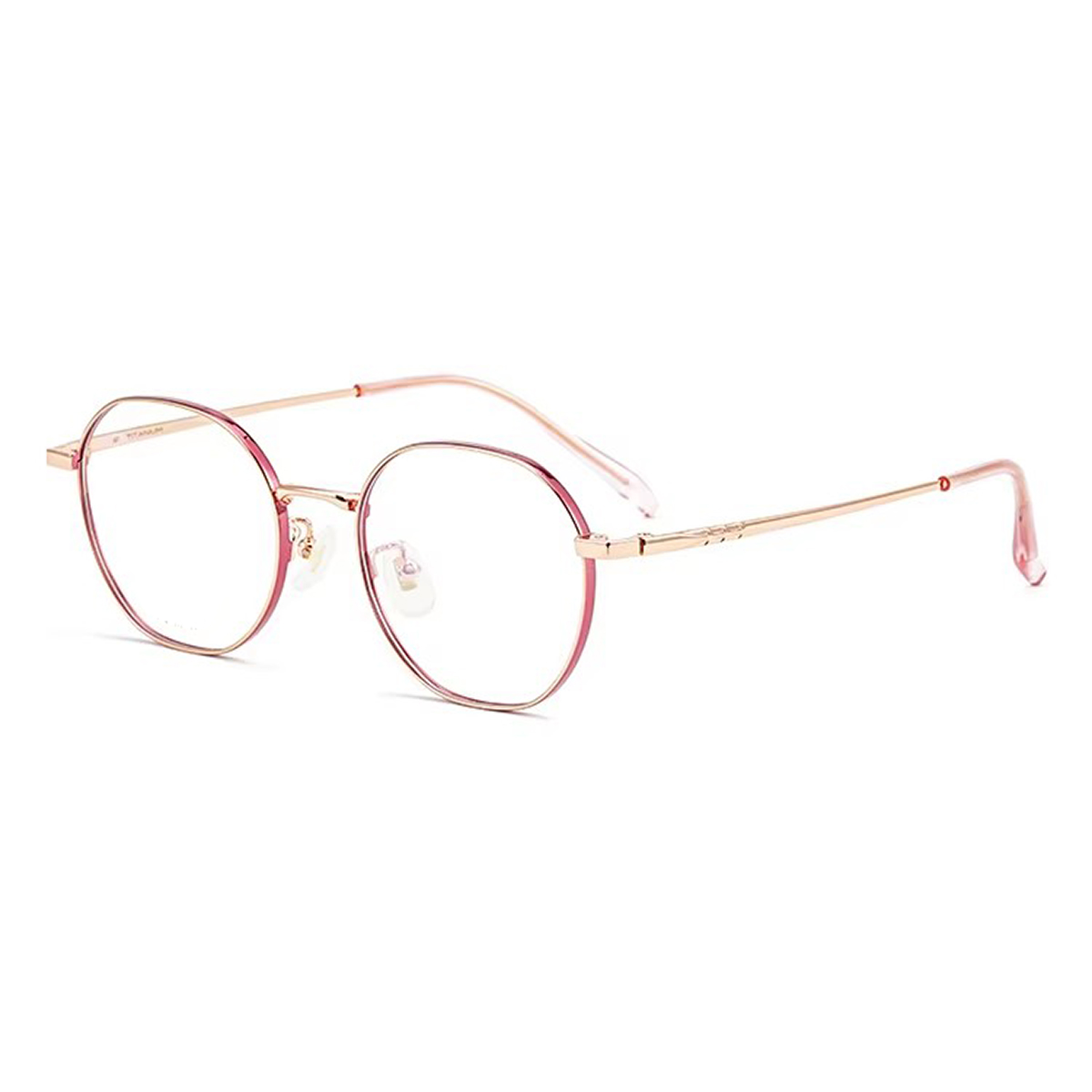
Los modelos de titanio se benefician especialmente de las almohadillas nasales ajustables, porque el metal es delgado y liviano, pero la montura aún necesita un ajuste seguro. Un marco óptico de titanio con rebote de memoria y almohadillas de silicona ofrece ahorro de peso y un posicionamiento preciso.
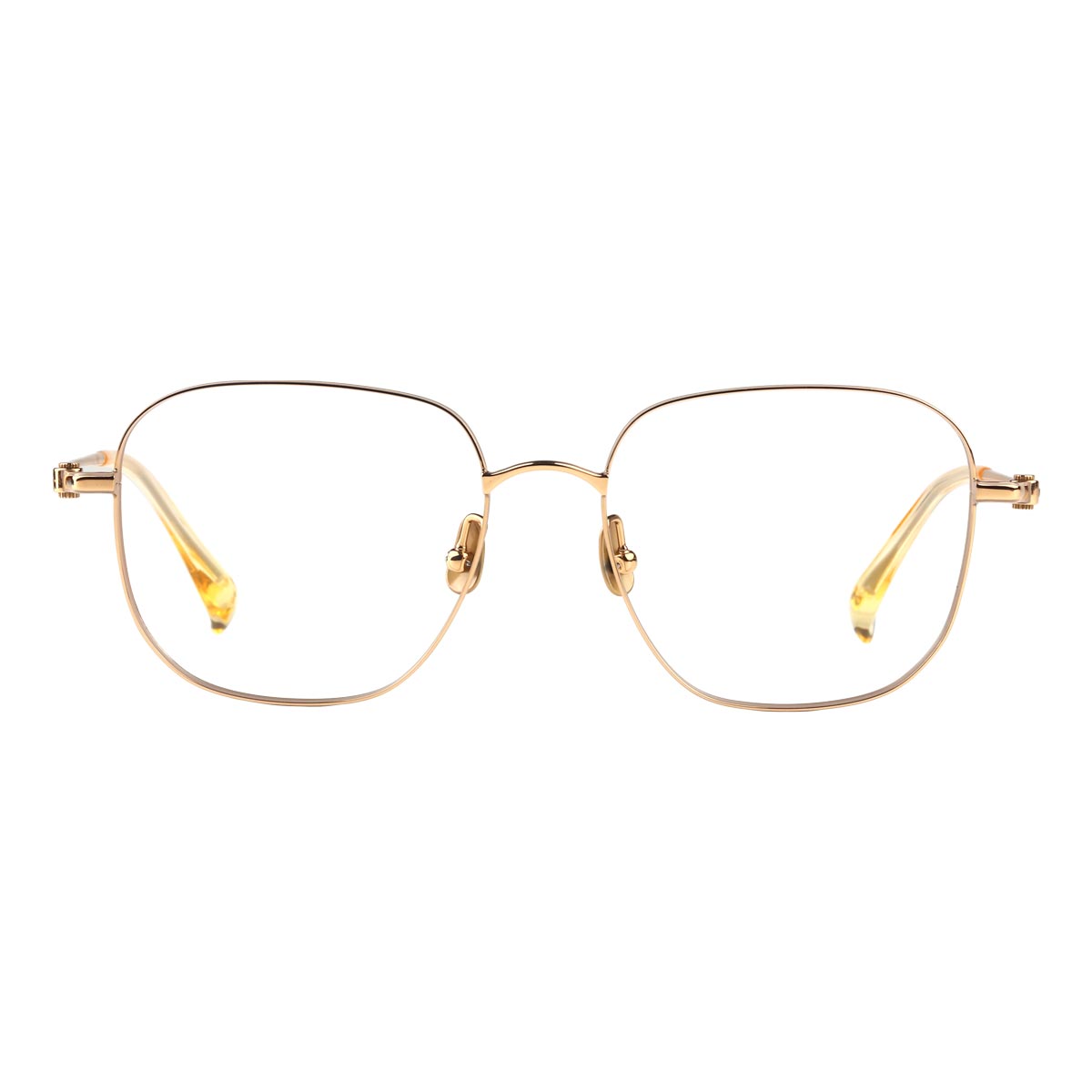 Gafas ópticas de titanio puro Memory Rebound con almohadillas nasales de silicona ajustables Estos marcos de beta-titanio ofrecen un peso ultraligero y alta flexibilidad, con tecnología de rebote con memoria para mayor durabilidad. Las almohadillas de silicona ajustables garantizan un ajuste preciso, lo que las hace ideales para puentes altos y pieles sensibles. Ver producto →
 Anteojos sin almohadillas para la nariz: pros, contras y mejor ajuste
Las monturas sin almohadilla funcionan mejor para puentes altos o estrechos, personas sensibles a la presión de las almohadillas y cualquiera que quiera el par diario más liviano posible.
Cuando el puente coincide bien, se obtiene una distribución más suave de la presión en toda la superficie de contacto. Esto reduce la presión en un solo punto que crea marcas rojas. Debido a que no hay almohadillas separadas, no hay nada que se ponga amarillo, se endurezca o se caiga. En las monturas de acetato y TR90, el material del puente suele ser ligeramente flexible, lo que ayuda a que se ajuste a la nariz incluso sin ajuste.
Las ventajas incluyen:
- Aspecto más limpio sin brazos de almohadilla visibles.
- Peso total ligero, especialmente con TR90, Ultem o acetato fino.
- Menos tareas de mantenimiento; No hay solución de limpieza en las superficies de las almohadillas.
- Generalmente hipoalergénico ya que no tiene pieza de contacto de metal o silicona.
Pero los riesgos son reales:
- El ajuste es fijo. No se puede cambiar el puente si es demasiado estrecho o demasiado bajo.
- Es más probable que se resbale si la forma del puente no coincide con la de su nariz.
- La transpiración puede reducir el agarre, especialmente cuando se practican deportes o se usa en climas cálidos.
- No hay forma de corregir la asimetría en el puente de la nariz.
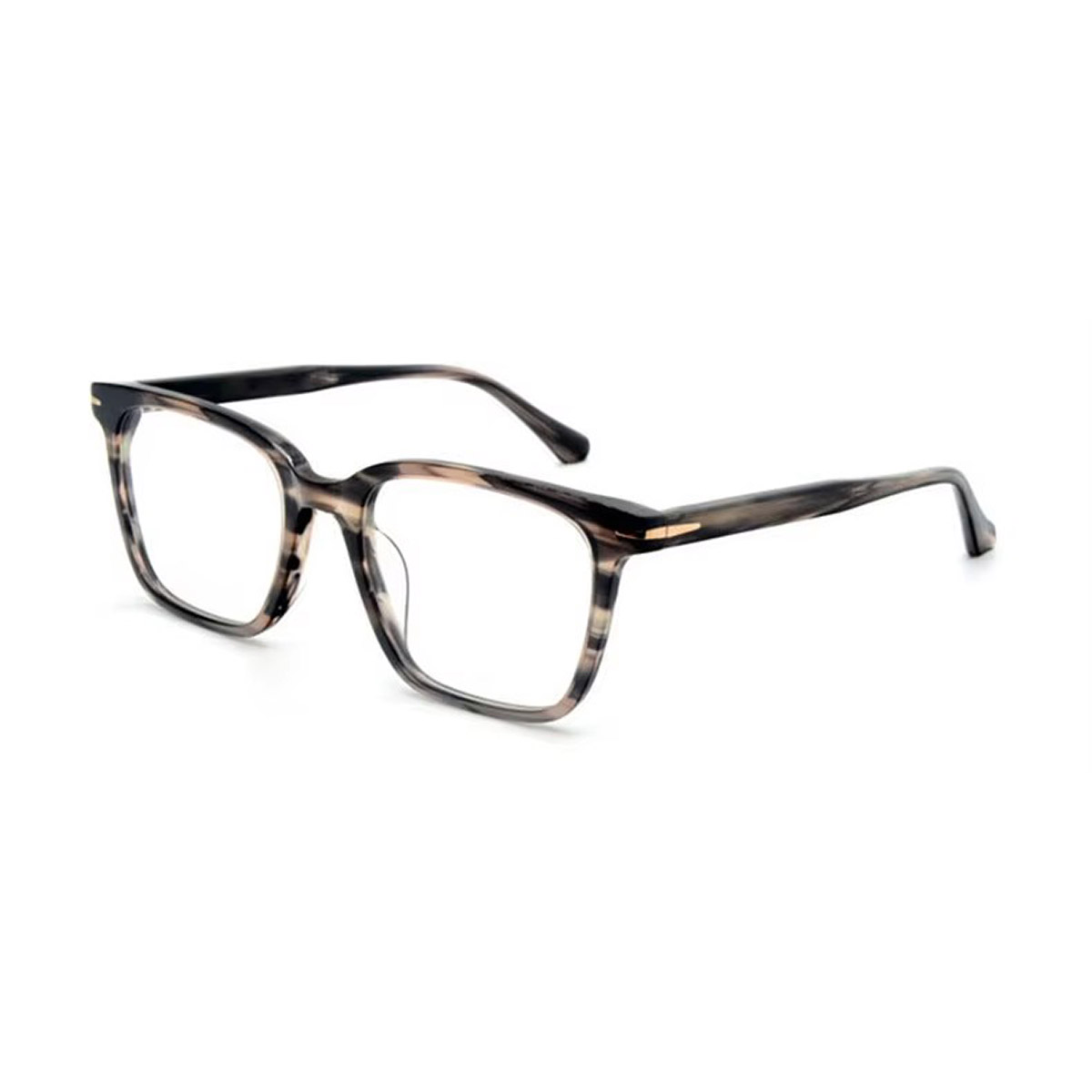
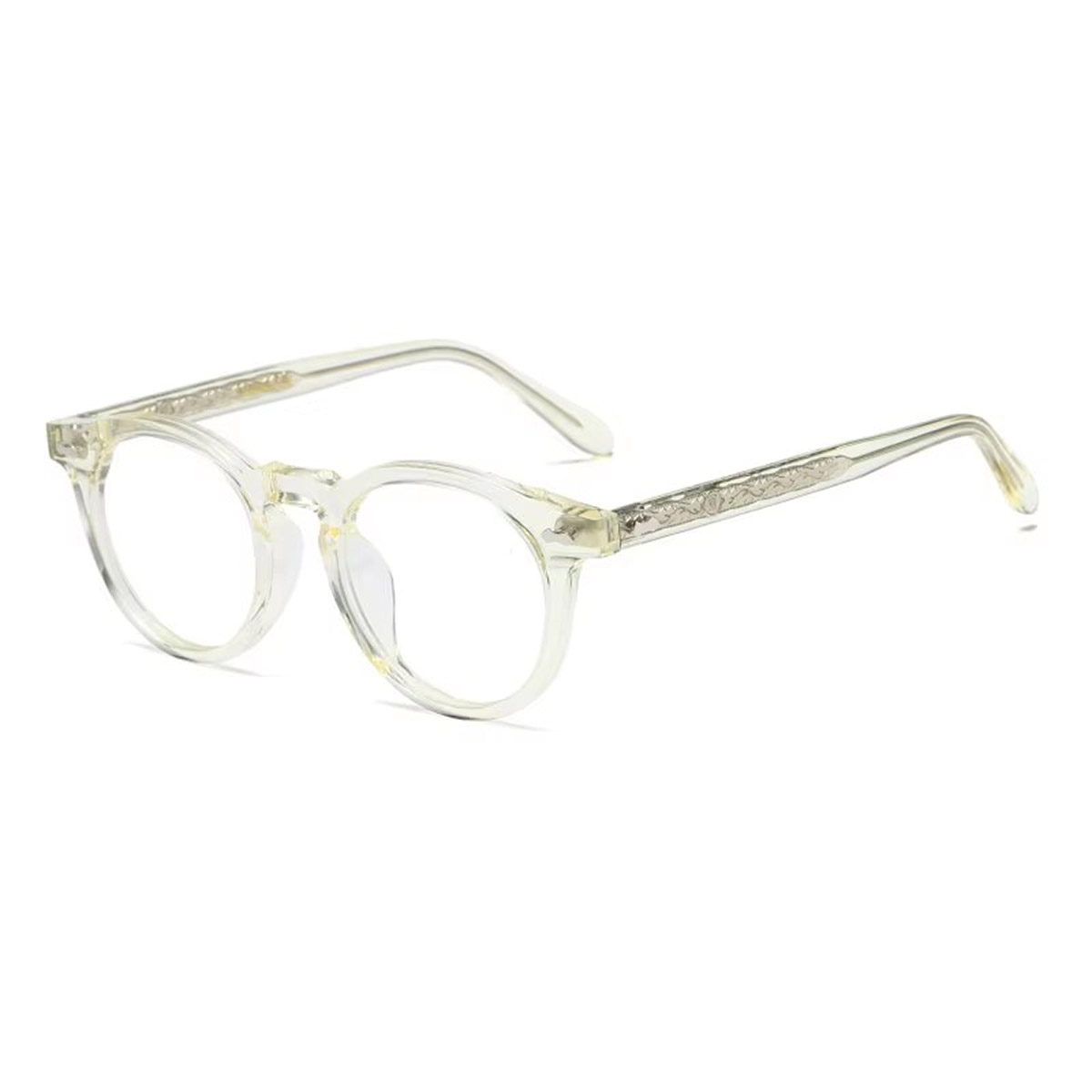
Las monturas de acetato con puente en forma de cerradura integrada son una opción clásica para puentes altos y evitan los brazos acolchados de plástico que causan incomodidad a algunos usuarios.
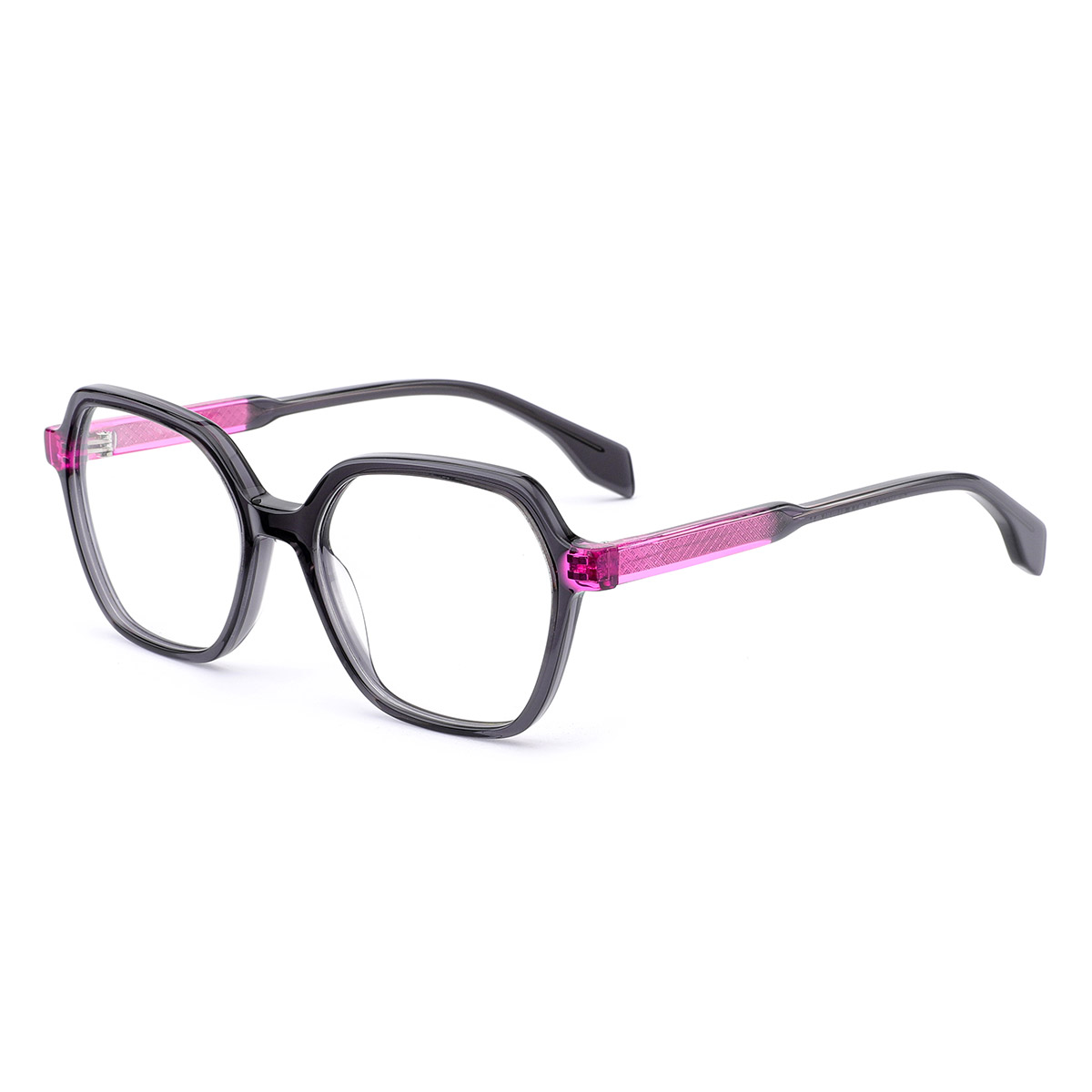 Gafas ópticas clásicas retro de acetato de carey con puente de cerradura Con un puente en forma de cerradura integrada y acetato de carey clásico, estos armazones brindan un ajuste cómodo para puentes altos. Los bordes pulidos a mano y las almohadillas nasales ajustables mejoran la comodidad para un uso prolongado. Ver producto →
 Comparación lado a lado: ¿cuál debería elegir?
El perfil de su puente es el predictor más sólido de qué diseño permanecerá en su lugar; Esta tabla resume las diferencias prácticas.
| característica | Con almohadillas para la nariz | Sin almohadillas para la nariz |
|---|---|---|
| Ajustabilidad | alto | Ninguno |
| Marcas de presión en la nariz. | Posible | Menos probable si el ajuste es correcto |
| Riesgo de avance | Bajar cuando se ajusta | más alto a menos que el puente coincida |
| Mantenimiento | Limpieza y reemplazo de almohadillas | Esencialmente ninguno |
| Resistencia al sudor/aceite | Las almohadillas pueden deslizarse | Depende del material; TR90 es más estable |
| Mejor perfil de puente | Bajo, plano o asimétrico | alto o estrecho |
| Tolerancia al peso de la lente | Mejor para lentes pesados | Lo mejor para monofocales ligeros |
Cómo decidir: un marco de decisión rápida
La altura de su puente es la primera puerta para filtrar los marcos; el peso de las lentes y la postura diaria son el segundo y tercer lugar.
- Mide tu puente: Si tu nariz es baja o plana, elige almohadillas nasales ajustables. Si es alto, recto y delgado, una montura sin almohadilla o un puente en forma de cerradura pueden funcionar bien.
- Comprobar el peso de la lente: una alta graduación o una montura de gran diámetro añaden peso. Prefiera las almohadillas nasales para cualquier cosa a una lente delgada estándar.
- Piensa en tu postura: Los trabajadores de escritorio y los estudiantes que miran hacia abajo durante largos períodos a menudo prefieren almohadillas ajustables. Los atletas que se mueven rápidamente pueden obtener mejores resultados con un marco TR90 sin almohadilla que se agarre al puente.
- Revisar la sensibilidad de la piel: Si las almohadillas de silicona o metal irritan su piel, elija acetato hipoalergénico sin almohadillas o Ultem. Si las marcas rojas son la principal preocupación, vale la pena probar una almohadilla de silicona ancha con una superficie suave.
Problemas comunes de ajuste y cómo solucionarlos
La mayoría de las quejas sobre el ajuste tienen una solución directa y saber qué diseño elegido es el primer paso.
- Deslizamiento con almohadillas nasales: Apriete los brazos de las sienes, ajuste los brazos de las almohadillas más cerca y pruebe con una almohadilla de silicona más ancha.
- Resbalarse sin almohadillas nasales: use correas para las patillas o ganchos deportivos, elija una montura con material que absorba la humedad o seleccione un tamaño de puente más estrecho.
- Marcas rojas con almohadillas: Extienda ligeramente las almohadillas, ajuste el ángulo para que se descansen uniformemente y reemplace las almohadillas viejas endurecidas.
- Sin agarrar en puentes altos: Un puente de silla sin almohadilla suele adaptarse mejor que un diseño de cerradura, que está diseñado para perfiles más bajos.
Preguntas frecuentes
Ambos diseños pueden funcionar; La mejor elección depende del perfil de su puente, el peso de la lente y las reacciones de la piel.
¿Todos los anteojos vienen con almohadillas para la nariz?
No. Los marcos de metal y de materiales mixtos normalmente tienen almohadillas semirrígidas o ajustables separadas; Los cuadros de acetato, TR90, Ultem y fibra de carbono a menudo no lo hacen.
¿Son mejores las gafas sin almohadillas para los puentes nasales altos?
Si. Un puente alto y recto generalmente combina bien con una montura fija o un puente en forma de cerradura porque el área de contacto ya es amplia y estable.
¿Puedo agregar almohadillas para la nariz a los anteojos sin ellas?
Generalmente no. Una vez que el puente está moldeado en el material del marco, la única opción viable es agregar almohadillas adhesivas no originales, que pueden interferir con el diseño.
¿Qué material sujeta la nariz de forma más confiable sin almohadillas?
TR90 y Ultem brindan más agarre que el acetato brillante, especialmente cuando la superficie tiene un acabado mate o detalles que canalizan la humedad.
No existe un ganador universal en el debate sobre las plaquetas nasales. El par adecuado es el que combina con su puente, soporta su lente y se mantiene cómodo durante todo el día. Si aún no está seguro, comience con una montura de titanio con almohadillas ajustables porque se puede adaptar a su rostro. Cuando comprenda las ventajas y desventajas, podrá elegir con confianza cualquiera de los estilos. Para obtener una visión más profunda de cómo se aplican los principios de ajuste a otra categoría de gafas, consulte nuestra guía completa de selección de gafas de lectura .